Experimental Transmedia Film “The Cosmonaut” Tests New Distribution Methods

Not just a new film, “The Cosmonaut” is a labor of love four years in the making, crowdsourced and created with a plan to test the boundaries of transmedia content distribution worldwide. The project was started by a group of young Spanish digerati called Riot Cinema Collective. Using the power of the Internet’s connected tools they are proposing a new film model from financing, distribution, production and user participation by fostering a hardcore community under a Share-alike Creative Commons license. This allows users to download, lend, re-cut or use the film footage to create new derivatives of the work. It’s ambitious, it’s genius, it’s innovative and it’s all going down May 14th worldwide on multiscreens, with multiple endings, live theatre troupes, and free streaming. It’s kind of a big deal.

4129007245_5de86641fa_oDirected by Nicolás Alcalá, “The Cosmonaut” is a sci-fi adventure love story depicting the space race between Russia and the U.S. told from a Russian astronaut’s point view. The film boasts being Spain’s first film made from crowdfunding from 5,000+ people and of one of the world’s most successful film crowdfunding campaigns (at the time) collecting over 300,000€. Not too shabby. It only cost 2 Euros to become a producer and was influenced by other epic projects including “Artemis Eternal” and “A Swarm of Angels.” 

 It doesn’t end there. Their creative marketing and fundraising techniques included posting detailed business plans, an indie concert held in Madrid called CosmoNauts, a flashmob, video diaries of the process and they posted a pdf of the script online for remix. They want it all hacked and mashed up. Their site beckons, “Download our business plan, and find out our strategy to turn the film industry upside down.” Radical transparency is the goal and on May 14th, 2013 the filmmakers will post the entire feature-length film online in HD (for free), in addition to releasing it on DVD/Blu-ray, on TV, and in theaters simultaneously. Transmedia elements in the works include alternate reality games (ARG), mobile apps, webisodes and whatever else the fans come up with.

There will be a smattering of special screenings worldwide. Fans are encouraged to create screening events via Tugg and to add interesting elements — like costume parties or Google Hangouts with the director. Transmedia Club LA’s director Hal Hefner has arranged a private screening May 15th at the Downtown Independent Theatre at 7:30 pm with after party.

Riot Cinema Collective’s mission statement reads “We were born from the idea of bringing cinematic language to all possible fields, as we were convinced that “in cinema to crash a car you don’t need a car, nor a crash, or a million dollars”. We like advertising, fiction, documentary and that they now call “new media” (we are particularly good at creating transmedia content to expand a centerpiece). Above all, we love to tell stories.” Should be pretty awesome!


Yekra’s Digital Rights Distribution and AffiliateConnect Platform Raises $3M

Yekra

Content is king, and local startup Yekra has just secured $3 million in funding for their digital rights distribution service for the every man. In the digital age, streaming content is profitable for producers, but now digital rights management (DRM) is not just for big studios but for independent content creators as well.

Tattoo 2Yekra has introduced the first DRM-protected player that can run on any connected device or screen. This traveling player can allow direct digital rentals from any blog, Facebook page, Twitter profile or other online site. Their baked in marketing technology helps producers determine the best distribution system by matching genres with online viewers demographics across 4,000 affiliate sites. Revenue is shared between the producer, affiliates and Yekra to create the widest market window available, while maintaining digital rights protection. Yekra also allows creators to establish an exclusivity rights period and set up distribution to other platforms including Netflix and Hulu Plus.

Lee Waterworth, President of Yekra said, “Today we pioneer the first system that both protects the content it distributes and makes it accessible to anyone – anywhere – with the capability to generate revenue on a cost-effective basis from day one.”

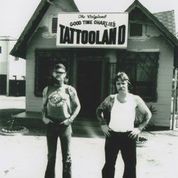
Yekra plans to bolster the public launch of AffiliateConnect with more titles from notable filmmakers. Debuting on Yekra is the new documentary “Tattoo Nation” that follows the ink culture evolution from jail houses to art houses with appearances by Ed Hardy, Danny Trejo and Travis Barker.

Yekra was established in 2011 by Lee Waterworth, Sonya Waterworth, Miles Romney and Chris Larson built around the launch of documentary film “Thrive” reaching more than 12 million viewers at $5 each for digital rental. AffiliateConnect technology has been in development for two years, built on the success of the digital distribution around this first film. The company has been funded for $3.1M by angel investor Maurice Gallagher and UK’s Bray Capital.


New App Promises to Unlock Hidden Public Beaches in Malibu

Malibu beaches are famous for stunning views, dolphins playing, great surf and quiet sunbathing spots nestled among some of the most expensive homes in America. What the owners of these million dollar beachfront homes do not want you to know is that the beaches are public. Public as in “this land is your land, this land is my land.” The new Malibu Beaches app being developed via crowdfunding on Kickstarter aims to bring you intel on how to claim your rightful place on the beach of the rich and famous.

Now you might be thinking, what is the big deal? The deal is in an effort to keep out the riff raff ­— you and I ­— the Malibu community has deployed many subversive tactics to scare away the public. Most of which according to the California law are outright illegal from putting up fences to hiding public accessways to fake trespassing signs to building out their property to the edge of the sea leaving no beach to use and so on. It’s a nasty fight that has been tied up in the courts for years — another tactic of the wealthy.

Misleading Signs

Groups like The Los Angeles Urban Rangers have been offering Malibu beach safari tours for free to the public every summer in an effort to keep the Malibu beach open access more open. Jenny Price, a scholar and cofounder of the Los Angeles Urban Rangers has created the Kickstarter campaign for the free The Malibu Beaches app that promises to unlock all of the hidden beach access points with a goal of a mere $30k — a small price to pay to keep this land free for you and me. You can help her do it!

Los Angeles Urban Rangers, an interdisciplinary collective that is part performance art and part public education, which deploys the iconic American park ranger persona–friendly, knowledgeable, civic-minded, and endearingly gee-whiz–to interpret the whats, whys, and could-bes of our home megalopolis and to equip others to do likewise in the places where they live.

10 Coolest Offices in the World (Glassdoor)

While beige office walls may help keep some focused on the work at hand, for others it’s often seen as a blank canvas for fostering creativity. Whether it’s halls decorated like the New York City subway system or a floor-to-ceiling spiraling slide, these 10 companies show how to use and design office space in a whole new way.

See which photos employees have shared on Glassdoor that make up our list of 10 offices you wished you worked in:

1. Epic, headquartered in Verona, Wis., has designed an office hallway to look like the New York subway. More Epic Photos.

2. Google keeps some fun in mind at one of their offices as employees can literally slide from one floor down to the next.  More Google Photos.

3. Microsoft employees pull up a seat around this large touchscreen tablet table. More Microsoft Photos.

4. Infosys brings games to one of their offices by adding in a bowling alley. More Infosys Photos.

5. Box, headquartered in Palo Alto, Calif., has a playful take on seating arrangements as they added swings to their office. More Box Photos.

6. Facebook employees can take advantage of a video game room. More Facebook Photos.

7. Groupon breaks away from traditional office norms by adding color and modern design to their office. More Groupon Photos.

8. Edelman, a multinational public relations company headquartered in Chicago, Ill., also adds bright colors and modern design elements. More Edelman Photos.

9. Autodesk employees collaborate in architecturally interesting spaces. More Autodesk Photos.

10. HUMAN Healthy Vending adds comfy chairs that line its reception space. More HUMAN Healthy Vending Photos.

What’s your office like? Share your office photos on Glassdoor.


Activyst Wants to Change the World, One Girl at a Time Through Sports

Culture, Entrepreneurship, Startups, Women

Katie Rock, the founder of Activyst lives up to her name. She really does rock, and hard. Katie’s journey from corporate lawyer at a top firm to a social good entrepreneur has been a zigzag of twists and turns, luck and tenacity.  What began as a pit stop vacation in a third world county, led to an epiphany, which turned into a passionate pursuit, and eventually a new social enterprise company that fundraises to bring sports to girls worldwide through the sale of athletic bags.

Katie_compact


Growing up, Katie was an athlete and played tennis in college. She attributes playing sports helping her achieve in other areas of her life.  While looking for an island destination to unwind at after taking her bar exam she randomly Googled “small beach town Central America surfing” and soon found herself in San Juan del Sur, Nicaragua. Rock’s idea of unwinding was running, surfing and swimming every day to the bemusement of the town folk.

Soon the local girls were stopping her in the street to ask her, “What are you doing? Why are you always doing this stuff?”

Rock’s response was “What are you talking about? Doing what?”

Rock soon learned that though these girls lived on in a coastal town where there are hurricanes, they did not know how to swim. They did not know how to run, surf or do any form of sport. The girls said they wanted to, but it was not an option “because there are boys, and it is dangerous” so it was not allowed. This baffled Katie. She realized she saw local boys playing everywhere, but no girls. Knowing how much playing sports shaped the course of her life, it pained her to see these girls denied the opportunity. The seed was planted.

When Rock was ready to leave law, she was looking for an international human rights opportunity to pursue and found herself drawn to women’s rights issues in Latin America, but she was not exactly clear on what job she was looking for. On the advice of mentors and friends, she started pounding the pavement and setting up meetings with people in that space who wanted to know what issue she was most passionate about. She realized she was most passionate about girls getting to play sports. The hunch was that if sports could be introduced to girls in their formative years, it had the potential to improve girls’ rights and redirect their lives in a highly beneficial way — and maybe change the culture, if not the world.

Rock said, “These people (I met with) were really interesting people, high up in their organizations, and they said ‘That is really interesting — you should pursue that. No one is really doing that and I think there is something there.’”

shoes and bagValidated Rock eventually had enough meetings in D.C. to make her way to lunch with someone at the Pan American Health Organization, the Latin branch of the World Health Organization (WHO). She pitched her cause and they loved it and already had programs focusing on improving girls’ health. Due to the sedentary nature of girls in these countries there is a high risk for diabetes and obesity. They asked her to submit a proposal and they would find a way to fund her research. She created a new job for herself in Nicaragua with the WHO that allowed her to research her theory, identify barriers, and discover solutions to the culture that prevented girls from access to sports.

Together with a social scientist Rock uncovered misconceptions about girls playing sports from only lesbians play sports, to girls should stay home, to they cannot play because of their period and so on. The biggest barrier to sports for girls in the predominately Catholic country of Nicaragua was the concern of their safety and protection. There are no designated areas for girls to play. Parents worry that if the girls do not stay close to home, they might get assaulted or end up pregnant. The solution Rock found was if a play area connected to the already trusted schools was created with approved coaches, the parents would let the girls play.

The other findings were significant. Girls exposed to sports were less likely to be pregnant as teens, less likely to be in abusive relationships or do drugs, had improved health, intelligence, confidence and were happier. Sports really could change cultural stereotyping for women, give them alternative enrichment which would empower them to make better choices and thereby literally changing the world.

Pumped and energized by her research, Rock soon found herself blocked by slow moving bureaucracy and no funding to implement solutions. She had always been attracted to socially conscious companies. She began to brainstorm, keeping an eye out for a good product while finishing her research.

“It seems like such a modern solution to me,” said Rock. “You’re trying to do good, and it is hard to knock on doors and get money. I think creating something of value for people that they love that also does good is such a win win on so many fronts.  I think it is really powerful. I was stewing on what the product could be and how we would tie it into the cause.”

The product became a line of athletic bags. “I saw this funky durable waterproof material that was used for everything down there,” said Rock. She bought a bag made out of it and found it practical for most uses.  “I realized it was really durable and it would be cool to make an athletic bag out of this.”

blue bag and feet

Thus Activyst was formed. Now she just had to figure out how to make the bags. And she did. She took that crazy entrepreneurial journey of creating something out of nothing by learning new things like how to make a prototype, find suppliers and create awareness. She partnered with two friends, and they went to work developing three bags: a tote, an athletic bag and a cosmetic bag.

Rock worries that some people might not initially take her cause seriously, and dismiss sports for girls as cute. Her team of high-performing achievers take this cause very seriously because they know it could have a huge impact and they want everyone to know too

“I had no idea I was an entrepreneurial at all. I went to law school. I got this job at a law firm. But I always wanted to do something of my own or something different. Now it is crazy when people call me entrepreneurial — and I am like really? But I was a boring lawyer!” said Rock.

Activyst currently has a fundraising campaign that runs until April 20, 2013 on the crowdsourcing site Indiegogo where donors can snag any of the three snazzy bags that send sports to girls or even a relaxing hotel escape.  Activyst has blown past its initial goal of raising $25,000 dollars to build a girls soccer field in Nicaragua. They have blown past their first stretch goal of $50,000 dollars to build a girls soccer field in Uganda. They are currently around the $53,000 mark hoping to keep the momentum going.

“It’s super awesome, but we are not done,” said Rock. “The more funding the better, the more bags made and our company gets moving forward more quickly. We will have another stretch goal to fund a running team in Uganda and after that we would like to bring it home to the US for a final stretch goal.”

Rock a self-proclaimed perfectionist said, “I think the biggest lesson I have learned from all of this is to do something now. Do something small everyday, and those things add up. If you want to do it, you have to start doing it, and you can’t wait for something to be perfect.”

Amen Katie. Now you know why Katie Rock, rocks! You can help Katie and her team at Activyst by contributing to her campaign, and maybe picking up one of those fun bags for you or a friend that could help change the world for girls.

“Built In L.A.” the New Online Community for Startups

built_in_losangeles_logo_gray

There is a plethora of tech innovation going on in Los Angeles right now, and not only in Silicon Beach — but all over from downtown to the valleys to everywhere in between.  New entrepreneurs are setting up shop and the city is encouraging tech development with exciting initiatives. Keeping track of all the new companies, funding, networking and events going on across town is challenging. Which is why some senior tech leaders (that include Tony Pritzker, Howard Marks and Josh Berman) banded together to bring the community online through a new site called Built In L.A. that has quietly soft launched this January.

Built In L.A. (BILA) is an online community for digital tech entrepreneurs and innovators. Its mission is to connect, educate and promote online innovators that are coming out of L.A.’s own backyard into one central online hub, rich with all the resources and information that L.A. has to offer startups.

bila homepage
One the key features of BILA is the online directory of companies. Currently, it has been difficult to track the all the new startup activity, find out how large or small the team is and if they are funded or not. This directory is a living historical record of all companies that have launched out of L.A., received funding, been acquired or exited.

“To me it is interesting to find out who is raising what. And you know, there companies I have never heard of that did a $7 million dollar round I would have never known about if it wasn’t for Built In L.A.,” said Josh Berman, the CEO of Beachmint and member of Built In L.A.’s advisory board.

“There have been some great companies that have been developed out of L.A. from PriceGrabber, LowerMyBills, Shopzilla to Myspace and some great exits without much community around it,” said Berman. “To me Built In L.A. gets to that sense of community.”

The BILA team takes pride in conducting extensive research to prepopulate the directory with company information, with the goal that eventually companies will come and claim their profile and fill in the blanks with the latest up to date info. It is all part of the strategy to build the site slowly with the most impact.

Maria Katris, the CEO of Built In believes the directory will be an invaluable research resource for the community. Katris said, “We are in the process of redesigning the pages so you will be able to filter on things like funded companies, recently launched companies, people who are hiring and others.

Through data mining local company info, BILA will begin to produce comprehensive free data reports that track the most inclusive data for web and mobile startups based in Los Angeles. These reports will be published quarterly and annually.

Along with the startup directory and in-depth data reports BILA offers a job board and event calendar and will have a blog area for members to make announcements to the community and share news. Katris said, “We encourage the community to come to the site and to post their announcements. You might get everything from ‘my startup raised money’ to ‘I got into an accelerator’ to ‘I didn’t get into an accelerator, but here is what I learned.’ It is very much a sharing, learning, promoting platform for the community.”

Matt Moog and Maria Katris of Built In Chicago photo by DigitalLAKatris hopes that what can happen is that BILA will be come embedded into the L.A. tech culture. She said, “A company can launch and announce it, because now they have a platform that allows them to do that. They immediately have access to beta testers, investors, mentors, incubators and accelerators that can keep on eye out for them on a peer sharing platform.”

Serial entrepreneur, co-founder of StartEngine, and BILA board member Howard Marks said, “I am very excited by about it. L.A. is destined to be a top technology city. What creates a top technology city is entrepreneurs, investors, mentors, and service providers all working together to elevate the game and make it a big success. Built In L.A. in an online version of that community and it makes it easy for new entrants to get acclimated and understand what is going on, and helps the existing members stay current and communicate with each other.”

Built In L.A. is built by entrepreneurs for entrepreneurs and is supported by some of the most prestigious players in the city. Now you know and can go sign up and strut your stuff with the big boys.


GumGum Makes Images Profitable for Publishers

Think about how many images are on the web. Millions, billions, trillions? Yes. The Internet thus far has been monetized by display, video, and in-text advertising — but the one place every user’s eye focuses on first are photos. Photos that are prime real estate and have never been monetized before, until one very ambitious Silicon Beach startup, GumGum, recognized the opportunity and created the first and largest in-image advertising platform, and an entirely new market. Photos…the final frontier.

cover-ophir-tanzGumGum is led by founder and Los Angeles native wunderkind, Ophir Tanz. At the tender age of 15, Tanz teamed up with his friend Michael Schneider (the CEO of MobileRoadie), to create the design firm Fluidesign. He began programming courses at UCLA while in high school and went on to earn a B.S. and M.S. from Carnegie Mellon University. Tanz has been featured in Entrepreneur Magazine “Young Millionaires of 2011 Special Report.” GumGum is not the first startup for Tanz, it is his fifth — but it is his most important contribution to date.

You may remember the early version of GumGum from its innovative attempt to restructure the antiquated digital image licencing model (based on traditional print) into a new economic pay-per-use image-licensing model. The old media companies were resistant to change. After Tanz had sold his pre-Instagram photo-sharing app called MoJungle, he was intrigued with notion of bringing advertising to photos, and had no idea if it was even possible. He decided to pivot.

“Advertising is approaching $50 billion dollars online, whereas licensing is maybe $1 billion on a good day,” said Tanz. “It felt like a smaller opportunity. We had just raised a few million dollars at that point so we needed to build something bigger.”

Much bigger. Early on GumGum began to experiment with overlaying rich media ads through Flash with photos until technology progressed and they moved over to Javascript. Perhaps one of the reasons it took 20 years for the commercial web to monetize images is because matching images with content is a very difficult. GumGum hired an impressive team of statisticians, PhDs and image scientists to create the first image recognition technology that matches advertising to content (photos) and that can drill down to target keywords.

“Image recognition at scale is one of the hardest computer science problems to solve,” said Tanz. “I think that is why this is the last unit to be monetized, because it is so hard to figure out.” The technology is a work in progress that continues to evolve.

Tanz believes that the reason they have raised $10.8 million dollars from some of the biggest funds (First Round Capital, NEA and GRP) is precisely because they solved such a huge problem. There are trillions of photos online and nothing interesting has been done with the inventory — until now.

Matching ads to content is what they do. They have built proprietary ad serving, video serving and image recognition technology, complete with patents, and invented in-image advertising. Though competitors have sprung up, Tanz welcomes the competition to help define the market.

GumGum has two clients, the ad agencies/brands and the publishers. They curate many of the publishers they work with through an invitation process. They have 15 channels of categories with publishers like Alloy Digital, U.S. News, Gannett, and Tribune.

Screen Shot 2013-01-24 at 5.29.45 PM“We are very focused on the esthetic of the campaign,” said Tanz, whose love of design is prevalent throughout his company from the art on the walls of his office, to the team of creatives he hired.

“Some other image providers are more static and their ads appear to float,” said Tanz. “One of the things that is unique to our technology is that it scales to fit the image size.” Their creative and animation is not only beautiful and elegant, it is included in the cost of the CPM for placing media for free. The ads do not overwhelm the photo, but compliment it based on context.

Once the ad is clicked, there are options for the advertiser, including a pop-out video lightbox that can play video, as well as link to social media profiles, websites and other content. Creating very natural and appealing social engagement opportunity, as well as video without the television network costs. Their analytics drill down the CTR and other actions. Engagement rate is at 0.5% CTR versus the average 0.08%.

All of the impressions are viewable, above the fold and the inventory is premium. They are selective in which photos are served and how many times. They can match ad buy keywords with photos based on semantics in the text, metadata, and the file name of the photos.  Mobile accounts for 25% of their traffic. They take brand safety seriously with a variety of protection mechanisms from blocking keywords and user-generated content, to manual image spot-checking and optional 3rd party verification programs.

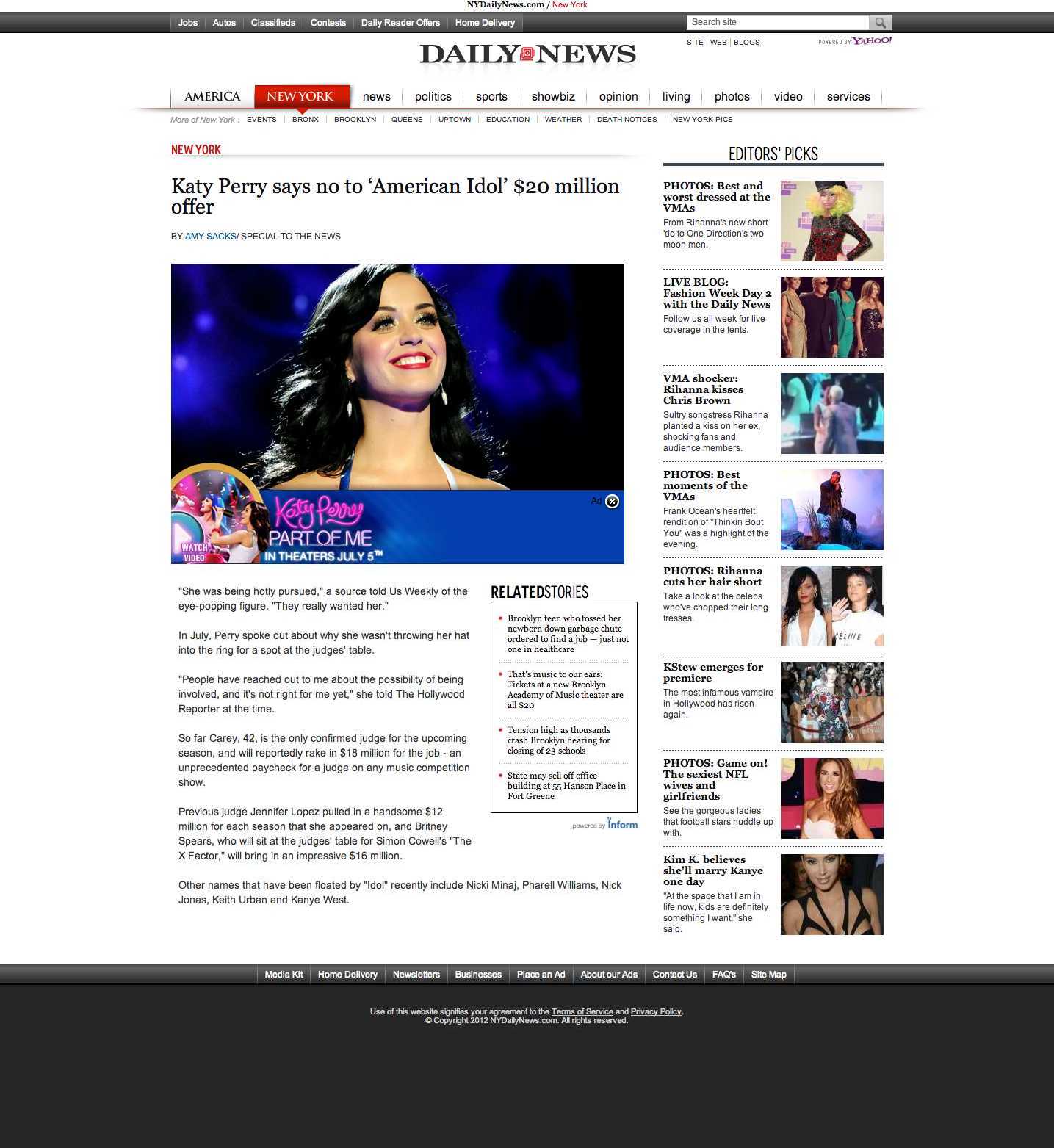
Katy Perry screen shot

How does it work?

Buys can happen on a keyword level or a channel category. For example, to promote Katy Perry’s new film, the agency might buy out all of the images of Katy Perry, as well as the entertainment channel that might not feature the keyword Katy Perry but would display contextually relevant images.

Big events can benefit from in-image advertising. Take the Oscars for example, users will be searching for information on the Oscars before and after the main event. Buying Google keywords will be popular and expensive. Buying commercial time during the broadcast would be even more expensive. Targeting images and adding video content is a nice premium alternative to the traditional buys that are extremely competitive.

What started as a tech company is gaining ground as a media company. GumGum HQ is tucked away on 4th Street in Santa Monica in a hipster building (that holds other notable startups), and like its young founder, Ophir Tanz, feels warm and inviting. Though Tanz has accomplished much at a young age, he is humble and embedded in the local tech community as a mentor to other startups. GumGum is up for DigiDay’s “Monetization Technology for a Publisher” award, and has recently expanded with offices in San Francisco, Chicago, Detroit and New York. They continue to create new revenue streams including licensing their technology, and big partnership announcements are expected soon.


$15k Purse Prize to Winner of Friskies Catastic Hackathon

Friskies n

• By

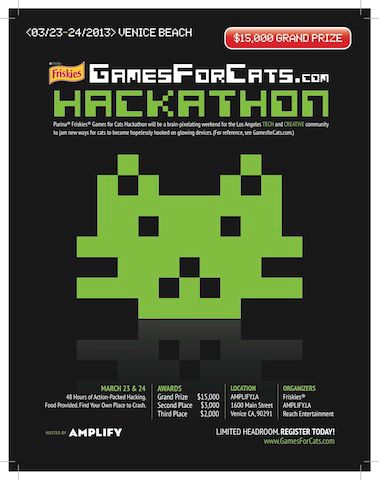
OMG. It is times like these that I wish I was a developer. This weekend March 23-24, Friskies Cat Food is hosting a “Games for Cats Hackathon” with a $15,000 dollar cash prize going to the developer who comes up with the winning app or cat game. Yes, using colors, swipes, animation and a scratch-resistant iPad, there is no telling how many hours of fun can be created for cats. The site is full of examples. No, I am not joking. This is as easy as giving catnip to your favorite feline — and cats do love Friskies!

What they want you to know: Get ready for an exciting upcoming event located on the Amplify campus in Venice. Friskies® Games for Cats Hackathon will be a brain-pixelating weekend for the LA TECH and CREATIVE community to create an app or game for cats with the fun spirit of the Friskies® brand as inspiration. Sign up now by clicking here.

This is not the first awesome campaign by Friskies. Last year they had an Internet Cat Video Film Festival with an award ceremony. Hat tip to Friskies for a generous cash prize and a very fun and stimulating tech challenge!


USC Adds New Accelerator “Viterbi Startup Garage” to Silicon Beach

Viterbi story

• By

It is getting hot in here. So hot. USC has just thrown their hat into the ring of the flurry of startup activity happening in SoCal with the introduction of a new accelerator, the Viterbi Startup Garage. Viterbi, the engineering school at USC, has teamed up with United Talent Agency, and Silicon Valley VC firm Kleiner Perkins Caufield & Beyers to support new ventures by USC students and alumni.

The 12-week program is a technology accelerator that will provide $20k, work space, world-class mentorship, and hands-on product, marketing and legal support to those accepted. The program is open to current students and alumni who have graduated in the past 5 years.

Ashish Soni, the founding director of the Viterbi Student Innovation Institute, (a track that brings together business and engineering studies), hopes that this extra support will allow more Trojan startups to be built locally and remain in Los Angeles. This is another smart move by the powers that be in the community to nurture the burgeoning startup ecosystem.

It is no coincidence that Hollywood is coming knocking and wants in on the action. Hollywood is looking for ways to redefine itself, market content, and jump on the tech boom bandwagon.  Brent Weinstein, head of digital for United Talent Agency said that this first of its kind partnership between a world-class university with a top engineering school, a powerhouse talent agency and a leading VC firm is part of a vision to help more large technology firms come out of Los Angeles.

Viterbi Startup Garage is accepting applications now.


MuckerLab Unveils Second Graduating Class to Investors

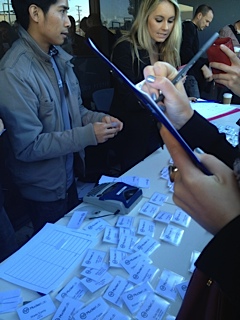
SignTableA traffic jam of expensive cars lined up to pull into the packed parking lot of MuckerLab for its second graduating class demo day. The large gathering of top investors spilled out of the office into the surrounding sidewalk and swelled with buzz and speculation of what the 10 newly formed companies had to offer. Some flew in from overseas, different states and from Silicon Valley to attend.

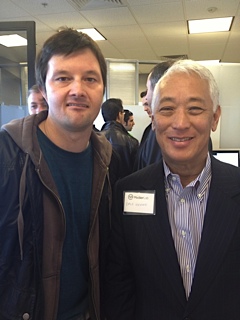
Dale OkunoTech Coast Angel investor Dale Okuno came out because he believes that MuckerLab attracts better talent because they keep their class size small and focused. Okuno has been investing in Los Angeles startups for the past three years after selling his own company E-Z Data. He has watched Silicon Beach grow, but wonders if the valuations are too high and if a bubble may come. Or maybe a goldmine.

Okuno said, “I have invested in over 40 startups almost always in the six-figure range.”  He is looking to find more.

The founders of MuckerLab came to Los Angeles because they wanted to contribute to the growing tech ecosystem of untapped talent and are excited to be investing here for the long haul. MuckerLab has already secured its reputation as one of the hottest startup accelerators in town with a particular emphasis on product for incubation-stage software, services and media ventures. The 3-6 month program had several hundred applications from all over the country and abroad vying for the chance of $21,000 in initial funding, office space, mentorship, and collaboration opportunities with other startups. Last year’s class has raised $15 million and is going strong.

When making the selections of which teams get in, MuckerLab co-founder Erik Rannala said that teams do not need a traditional business plan, or a finished product yet. The further along the product is the better — because it shows commitment and the skills to execute. A prototype that can be used for testing and validation is another win. The co-founder core team, including a CTO, should be fully formed and passionate enough to be working on the project full time. Rannala said being an entrepreneur is all about figuring things out, getting hands dirty and executing cheaply.

Rannala was pleased with the results of the hard work of the teams. “The demo is the ceremonial end to the structured part of it, but our focus is really on building a really great business. All of the fundraising and pitching gets easier if you have a great business,” said Rannala.

He believes if they can help build up good companies; they can also help the local economy, noting that the first class has created 100 new local jobs. And build great business they have. The 10 startups presented a mix of innovation for consumers and enterprise with some sure to please twists.

MuckerLab-Class-2

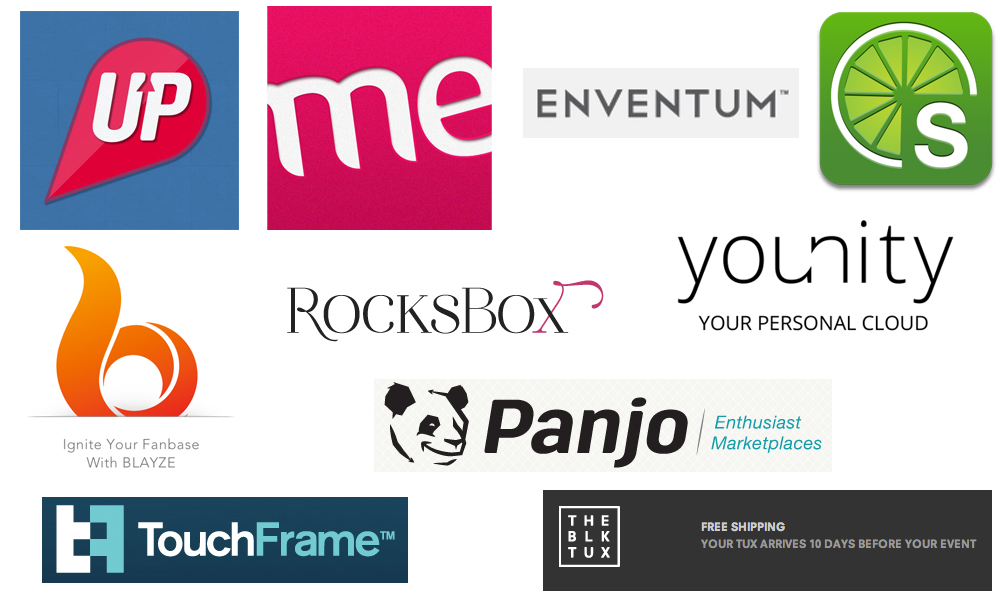
  1. The Black Tux online tuxedo rental, which is reinventing the customer experience in the antiquated $10B+ tuxedo rental and sales industry. They focus on quality and experience. They enable customers to rent or buy premium tuxedos of fine material and the latest styles online, easily get measured and fitted from anywhere with free shipping both ways for a large savings from the leading national chain. An interesting stat was that the large chain stores buy a tuxedo for around $90 and rent it out at around $200 for up to five years.
  2. Blayze, the first online video audience development platform that empowers brands, YouTube channels, and media companies to buy and sell highly targeted new viewers. The Blayze network already reaches or 200 million viewers and has generated thousands in sales. Founded by L.A.’s first YouTube employee Blayze is trusted by many of the top media companies in the world to activate, manage, and monetize their audience and data by developing organic, sustainable viewership. Blayze gives YouTube channel owners insight into their audience segments.
  3. Eventum, an enterprise event marketing and engagement platform that enables Fortune 1000 brands to amplify event marketing dollars and create digital relationships with attendees. These companies spend $20 billion annually, hold five million events each year yet lack a unified platform to capture, organize, and deliver personalized photos to attendees enabling real engagement. Eventum’s customers include Anheuser-Busch, Arena Football, Diageo, Langham, Hilton, Starwood Hotels, and event planning agencies.
  4.  GetMeRated, a mobile app where teens and twentysomethings find new friends through photos and chat. Members rate each other’s photos and tag with questions. With over 9 million photo questions posted since October 2012, their users spend 170 minutes a month on the service.
  5.  MarkedUp, the first ever analytic solution for the $100B desktop and enterprise application industry. Offers measurable insights into the behaviors of end-users to discover new was to improve engagement and monetization. Since launching on Windows 8, they have grown, tracking hundreds of thousands of app users every day for customers like Microsoft, StumbleUpon, ZeptoLabs and others.
  6.  Panjo, a marketplace for the world’s most ardent auto, sport, and hobby enthusiasts. Existing marketplaces underserve this audience. Each year, 350 million worldwide enthusiasts spend $15 billion buying products, parts, and accessories from their peers through a patchwork of methods. Panjo hopes to streamline their experience. Within three months, Panjo has achieved hundreds of thousands in monthly gross merchandise sales.
  7.  RocksBox, a new discovery and sales channel for designer fashion jewelry. The only group led by female entrepreneurs aims to up-end the legacy online shopping experience for accessories by delivering a limited number of curated designer jewelry pieces hand-selected via an algorithm based on style info customized to each member and sent in a monthly mail subscription. Members can wear and experiment with RocksBox pieces for several months and send them back buying only the ones they love. They have received over 500 subscriptions since launch in November via word of mouth alone.
  8. Subblime, allows influencers on YouTube to monetize their audience through authentic product recommendations. The YouTube platform helps influencers build a massive audience but makes monetization challenging. Subblime solves this problem by allowing channels to publish content audiences want and extend that to product recommendations from across the web. Their launch generated 6x the traffic of a typical YouTube product placement and led to a partnership with YouTube networks that collectively manage 120 channels and reach 16 million subscribers.
  9.  TouchFrame, is a publisher of interactive game show apps that is partnering with top TV producers and YouTube channels, and is the first company to power, distribute, and monetize game shows as mobile apps. TouchFrame’s interactive video platform allows content creators to turn game show formats into engaging apps. Their first “App Show” is called Braindex produced by 51 Minds Entertainment (an Endemol company), and allows users to play trivia head-to-head against celebrities like Mike Tyson on their mobile device. Forget the second screen, play and interact with video content today.
  10. Younity, creates a personal cloud for all your files, built from your devices and your online services. With younity you can have all your files, on all your devices, all the time seamlessly. Without syncing or storage limits and without configuration or management of any kind. Their patented “ubiquitous data protocol” is designed to integrate multi-device awareness into the OS of all your devices, allowing users to think only about the screen that is most convenient. Since its launch a month ago 50 million files have been ‘younified.’

After the presentations were revealed, the crowd started to place their bets on their favorites. MuckerLab alum Wade Eyerly came to show support and was impressed by the innovation. Eyerly, one of the co-founders of the private membership all-you-can-fly Surf Air, has raised several rounds of funds in the millions after graduating, and is quickly becoming one of the startups to watch.

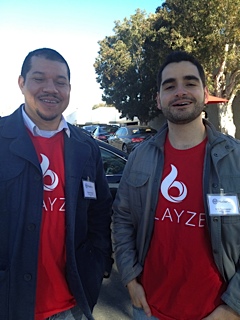
BlayzeEvery team has learned lessons along the way. There is no right answer many times, just gut instincts and educated guesses. Blayze CEO Ben Smith started first as a mentor and a resource to the community, believing in give before you get.  Soon he saw a problem he knew he could solve and formed his own team. Smith said, “Part of being a good entrepreneur is being able to sell and being able to sell a vision. You have to be able to convince somebody that your dream, can be their dream too, and that is not always easy.”

TouchFrame’s co-founder Jon Zimelis said, “We were coming from the non-technical side of things, and soon we realized that you can only get so far with mock-ups and we had to find a CTO.” They found one through their network and raised money through friends and family to create an early version that was functional enough to show the promise and the vision of what they were doing. That got them in.

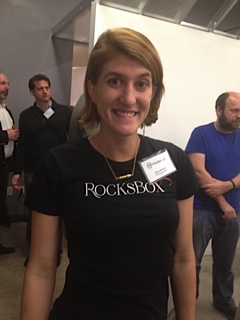
RocksBox_Maia BittnerRocksBox CEO Megan Rose had her own jewelry company and got a first-hand look at how women buy jewelry and saw there could be a different option. Rose had no technical skills but learned to code enough to create her own WordPress site and started to test her concept long before she found her CTO and a more refined site was built. This is exactly the kind of scrappiness that Rannala looks for when choosing companies to work with.